
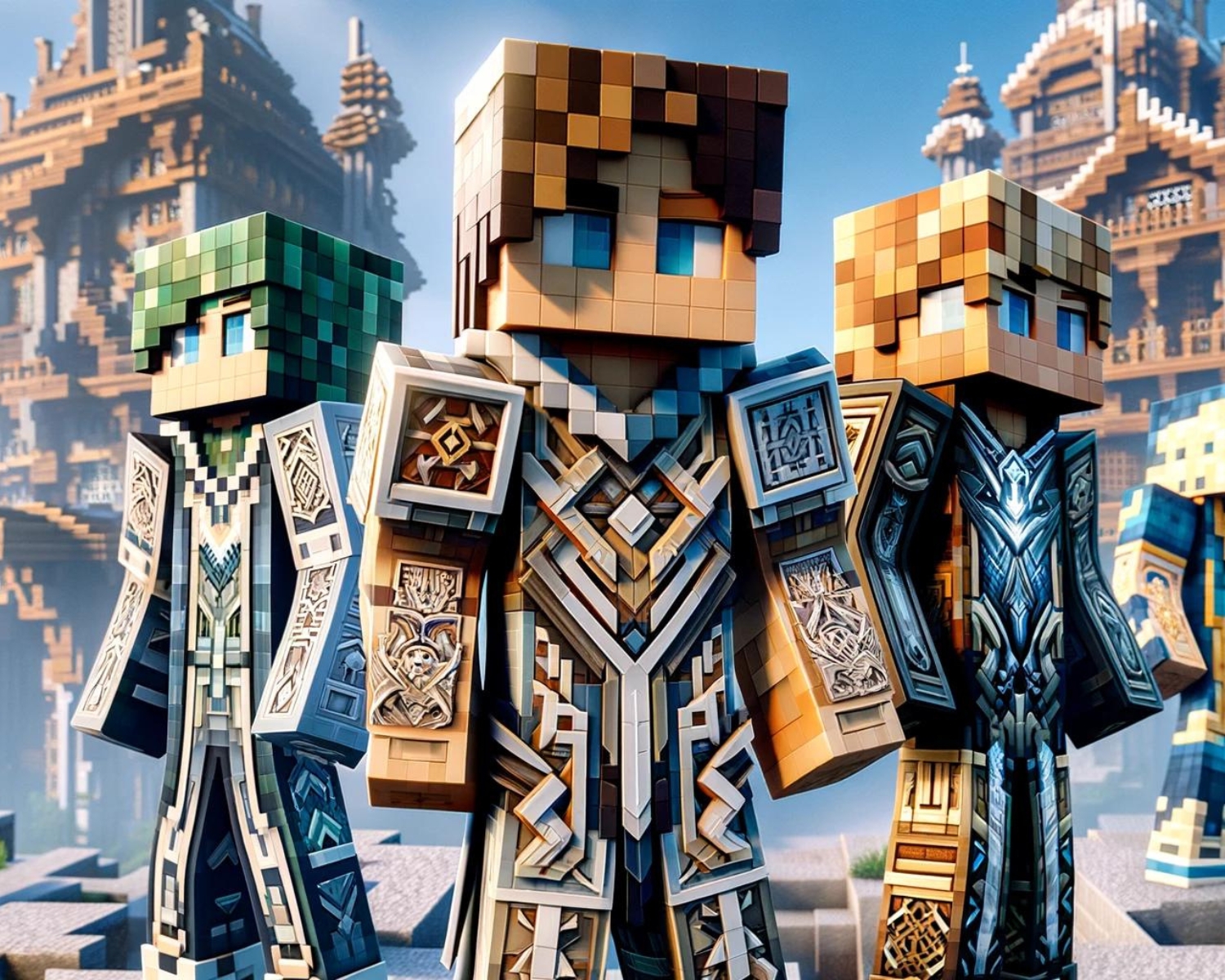
The Importance of Detail in Minecraft Skin Design
Introduction
Minecraft skin design is a unique form of self-expression, transforming simple pixel art into expressive characters that resonate with players. The importance of detail in this art form is crucial.
Creating Unique Identities
Minecraft skins represent players’ personalities, interests, and creativity, providing a unique, personalized appearance on multiplayer servers and at community events.
Enhancing Visual Appeal
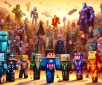
Detailed skins enhance the gaming experience by capturing the eye with their complexity and craftsmanship. They provide depth to characters’ outfits, replicate superhero costumes, and portray historical figures, making them more appealing and immersive.
Telling a Story
The detailed skin design in a game can significantly enhance the narrative by providing depth and context, allowing characters to tell their stories through their scars, tattoos, and unique clothing, making the game more engaging for players.
Improving Recognition
Multiplayer environments benefit from detailed skins for enhanced recognition and social interaction, allowing players to easily identify friends and notable figures. This recognition extends beyond gameplay, fostering community and belonging, especially among famous YouTubers.
Elevating Artistic Skill
Detailed skin design necessitates a blend of creativity and technical skills, involving color theory, shading techniques, and pixel art principles. This process fosters artistic growth, paving the way for advanced digital art forms and professional game design opportunities.
Increasing Engagement
Players engage more with detailed skins, which invite closer inspection, admiration, and discussion. These skins are often featured in fan art, videos, and social media, enhancing community interaction and fostering deeper connections with the game.
Practical Tips for Adding Detail to Minecraft Skins
- Use Shading and Highlights
Proper shading and highlights add depth and dimension to your skin. Use darker shades for shadows and lighter shades for highlights to create a more realistic and three-dimensional appearance. - Incorporate Textures
Add texture to clothing, hair, and other elements to make them more lifelike. For example, a woolen sweater can have a knitted texture, and leather armor can show signs of wear and tear. - Focus on Small Features
Small details like belts, buttons, pockets, and jewelry can significantly enhance the overall look of your skin. These features add complexity and interest. - Choose a Color Palette
Select a cohesive color palette that complements the character’s theme. Consistent colors help maintain a harmonious and polished look. - Pay Attention to Symmetry
Ensure that your design is symmetrical where necessary, but don’t be afraid to break symmetry for natural elements like hair or clothing folds, which adds to the realism. - Use Reference Images
Look at real-life examples or illustrations to guide your design. References can help you understand how light and shadows interact with different surfaces and materials.
Conclusion
Detail in Minecraft skin design is crucial for personal expression, visual appeal, storytelling, and community engagement. Designers focus on finer points to create beautiful, meaningful, and memorable skins, enriching the Minecraft experience for both casual and dedicated players.
#Minecraft #MinecraftSkins #SkinDesign #PixelArt #GamingCommunity #CreativeDesign #DigitalArt #GamingExperience #MinecraftArt #DetailInDesign