

Unveiling Pixels: The Evolution of Minecraft Skins Through Time
Introduction
This blog post explores the history and evolution of Minecraft skins, highlighting their significance in the game’s evolution from a simple sandbox to a vast universe and how they have become a cornerstone of self-expression within the game.
The Dawn of Minecraft Skins (2009–2010)
Minecraft’s early versions had limited customization options, with players primarily represented by the iconic “Steve?” character. The introduction of skins revolutionized the game by allowing players to express their individuality and diverge from Steve?’s generic appearance. Although initially rudimentary, these skins marked the beginning of a new era in customization.
The Rise of Customization (2011–2012)
As Minecraft transitioned from beta to official launch, demand for personalized skins increased, leading to the creation and sharing of skins using third-party websites and editors. The introduction of Alex, the feminine counterpart to Steve, added diversity to default options and recognized the game’s growing female player base. Skin editors and platforms facilitated a creative explosion, featuring pop culture characters and original creations reflecting player personalities.
The Golden Age of Skins (2013–2015)
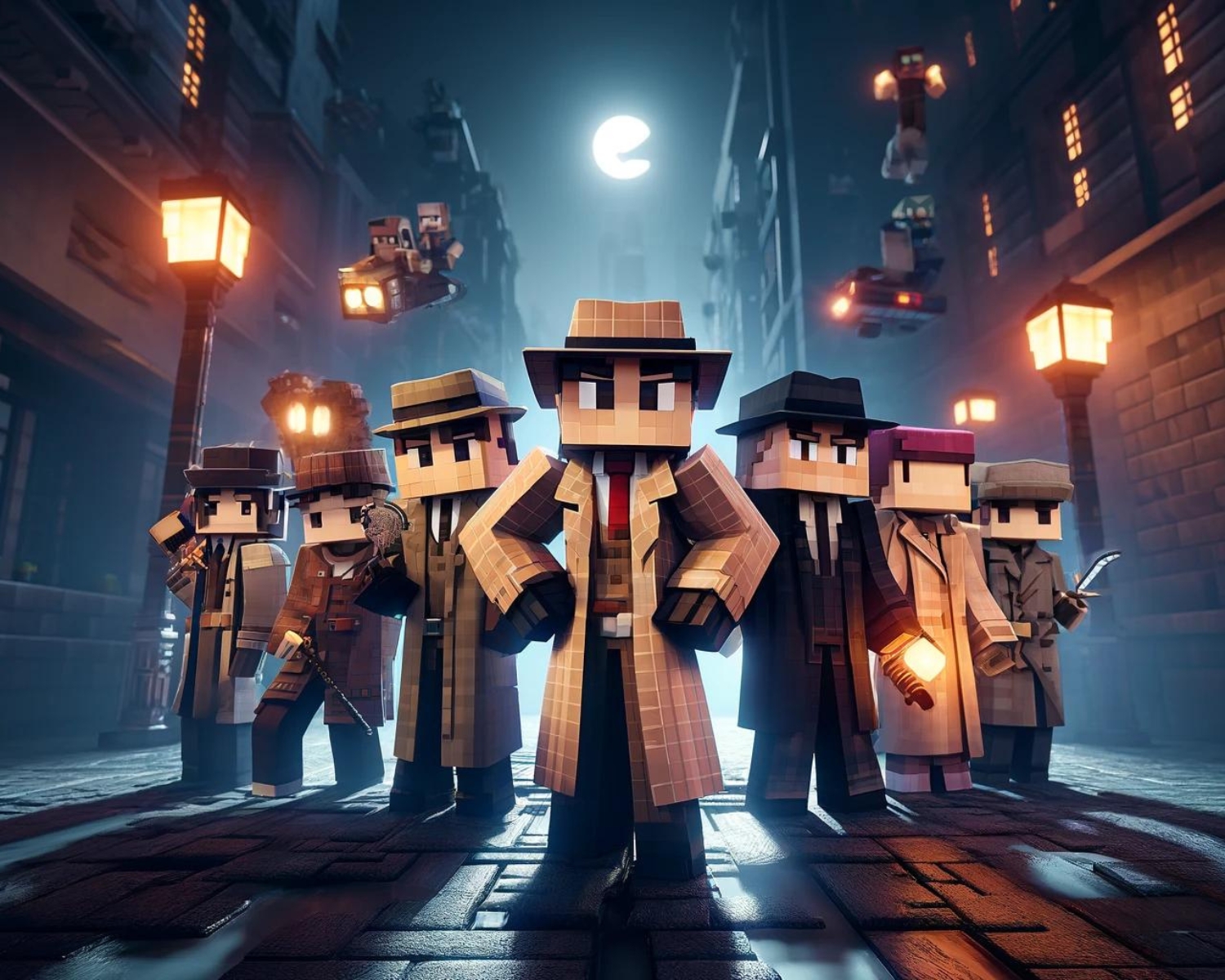
Minecraft’s popularity increased, leading to a rise in skin culture. Skins became a social currency for players, connecting and celebrating their interests. Skin packs on console editions expanded accessibility, allowing players to switch skins without third-party tools. These packs often featured characters from popular movies, TV shows, and video games, blurring the lines between Minecraft and the entertainment world.
The Era of Technological Advancement (2016–Present)
Minecraft’s evolution has led to significant improvements in skins, including the “slim” model option and engine updates for more complex, detailed skins. The Bedrock Edition unifies Minecraft experiences across platforms with the Character Creator, allowing players to customize skins with body shapes, hairstyles, and clothing, further personalizing the player experience.
The Community and Beyond
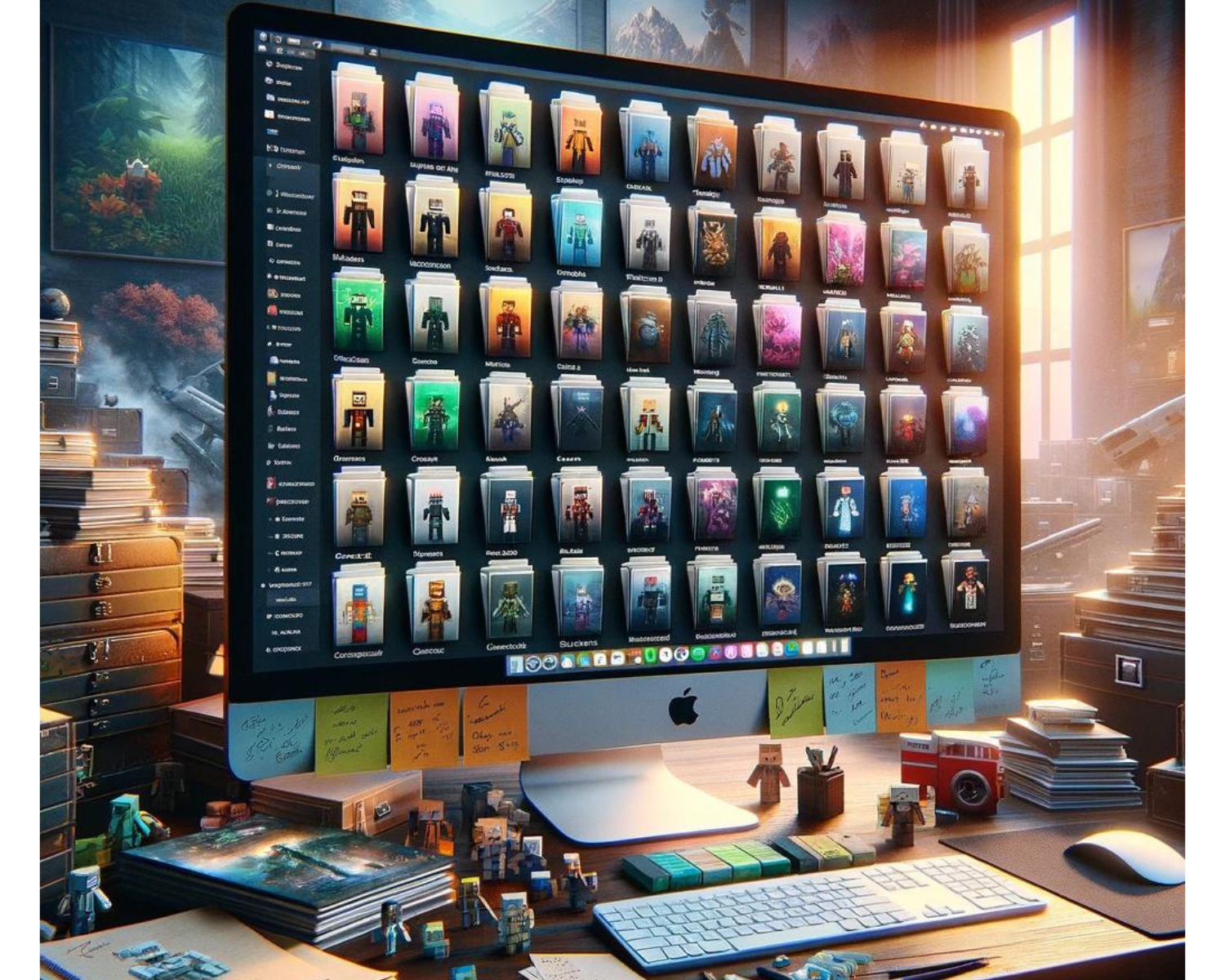
The community is the real core of Minecraft skins. Players create, narrate stories, and run competitions via forums, social media, and in-game events in Minecraft. Skins have an impact on fan art, commerce, and even the ways that Minecraft is used in education, in addition to the game itself. They’ve developed into a platform for artistic expression, allowing users to bring their ideas to life through the characters they play as well as the buildings they construct.
Conclusion
Minecraft skins have evolved, transforming player engagement and community interaction. They celebrate individuality and creativity, allowing players to leave their unique mark in the pixelated world. As the game evolves, skins remain central to the Minecraft experience.